Thinking about starting your own show? You’ve come to the right place. Learning how to start a podcast might seem like a lot, but it’s totally doable. We’ll walk you through the whole process, from figuring out what your show will be about to getting it out there for people to hear. It’s not as complicated as it sounds, and by the end, you’ll have a clear plan to get your voice out into the world.
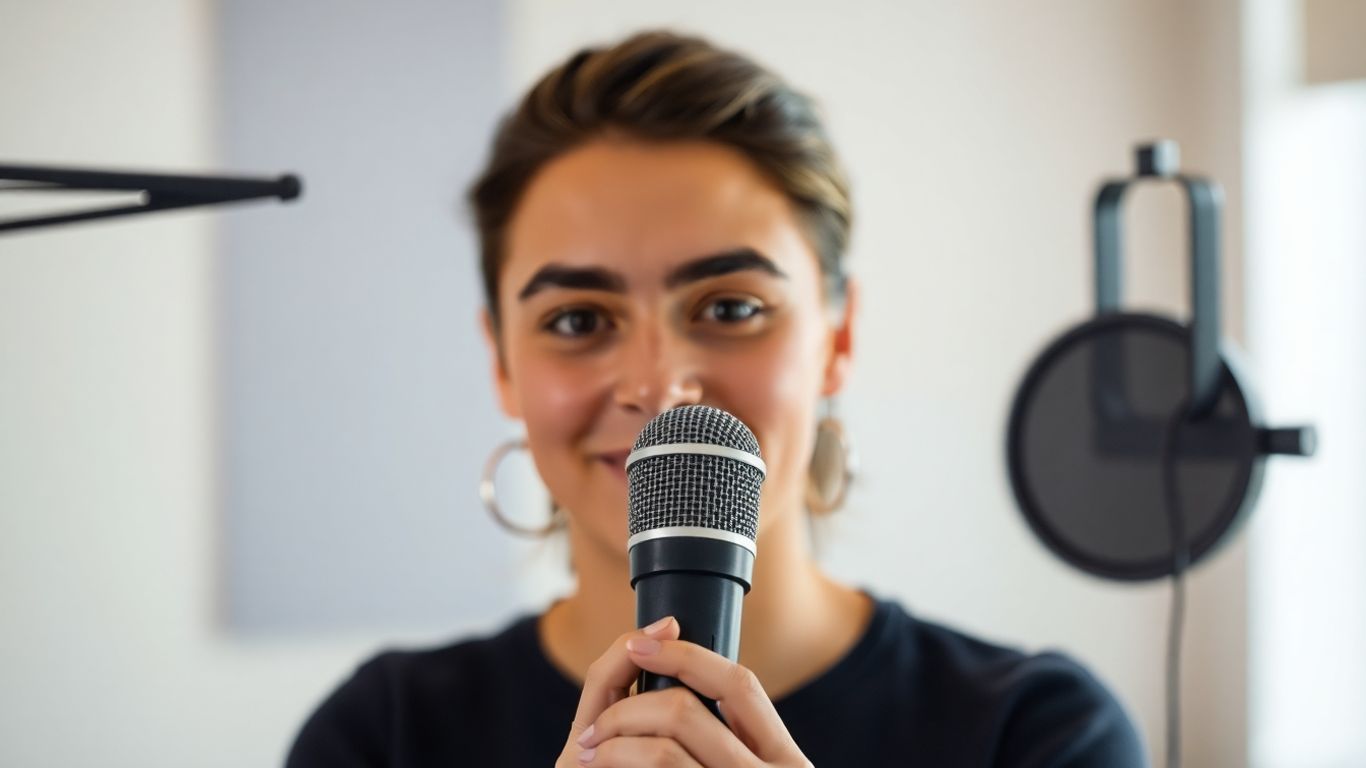
Welcome to the glamorous world of podcasting—where anyone can be a star, and all you need is a mic (and maybe a little bit of patience). If you’re googling how to make a podcast and dreaming about topping the charts, you’re in the right spot. But before you click ‘record,’ let’s lay the groundwork for your podcast’s breakout moment (and trust me, you don’t want to skip this part).
Let’s be honest. Chasing listeners takes more than a cool logo and a catchy name. What really makes you want to start blabbing into a microphone each week?
Spend some time nailing down your ‘why’ and ‘what.’ Write it on a sticky note and slap it on your laptop. If you don’t know why you’re doing this, it’ll be obvious to everyone (especially your future listeners).
Picture your ideal listener. What are they into? What keeps them up at night besides scrolling their phone? Knowing your audience helps you decide everything—from episode length to the kinds of guests you invite (if any).
Look, there are thousands of shows about ‘everything and nothing.’ Be specific! If you try to please everyone, you’ll end up pleasing no one—not even your mom.
Checklist for Picking Your Niche:
Sometimes the best podcasts come from people who just share their unique take on a small corner of the world, not from those who try to cover it all.
Starting a podcast setup takes a little soul-searching and honesty, but this upfront planning is what’ll give your show real teeth. Got your purpose? Have an idea of who’ll listen? Great! You’re halfway to figuring out how to do a podcast that people might actually love.
If you want some famous inspiration (and possibly a few reality checks), take a peek at what’s hot in the podcast world right now by browsing successful journeys over on The Tony Durso Show. And remember, there’s no perfect podcast—just the one you actually make.
Ready to figure out how to create a podcast that other people can’t wait to hear? Up next, let’s talk about actual gear—because you can’t podcast with just a dream and a wishbone.
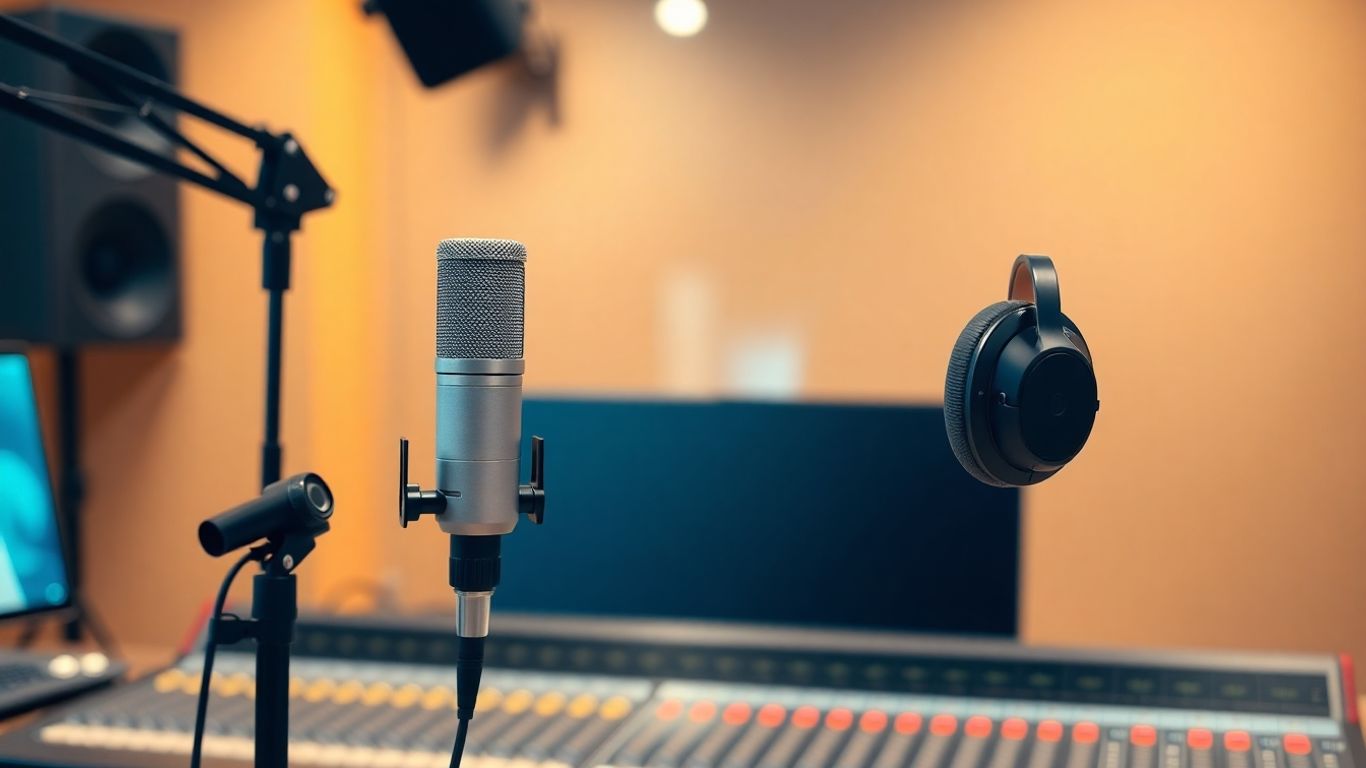
Alright, so you’ve got the brilliant idea, the killer topic, and the burning desire to share your voice with the world. Awesome! But before you start channeling your inner radio star, let’s talk about the gear. Think of this as your podcast starter pack – the stuff you actually need to make some noise. Don’t worry, it’s not as complicated (or expensive) as you might think.
This is where the magic starts. Your voice is your main instrument, and a decent microphone is like giving it a shiny new trumpet. You don’t need a studio-grade behemoth right out of the gate, but you definitely want something better than your laptop’s built-in mic. USB microphones are super popular for beginners because they plug right into your computer – easy peasy. They offer a big step up in sound quality without a steep learning curve. If you’re feeling a bit more adventurous, you could look into XLR mics, but that usually means you’ll need an audio interface too. For now, let’s keep it simple. A good USB mic will make you sound like you actually know what you’re doing.
Seriously, don’t skip this. You might think, “Why do I need headphones? I’m just talking!” Well, headphones are your secret weapon for hearing exactly what your microphone is picking up. They help you catch background noise you didn’t even know was there (is that your cat plotting world domination?), prevent echo, and make sure your audio levels are just right. Plus, when you’re editing, they’re non-negotiable for hearing all those little imperfections. Get yourself a comfortable pair of closed-back headphones. They’ll keep the sound in and the outside world out, letting you focus on sounding amazing.
This is the digital playground where you’ll capture your brilliant thoughts. You’ve got options here, ranging from free to fancy paid software. For most beginners, a Digital Audio Workstation (DAW) like Audacity (free and powerful) or GarageBand (free if you have a Mac) is more than enough. These programs let you record, edit, add music, and generally polish your audio until it gleams. The key is to pick one and stick with it for a bit to learn its quirks. Don’t get bogged down in choosing the “perfect” software; just get something that works and start recording. You can always upgrade later if you feel the need. If you’re looking for a simple way to get started with audio, check out an audio interface to connect your gear.
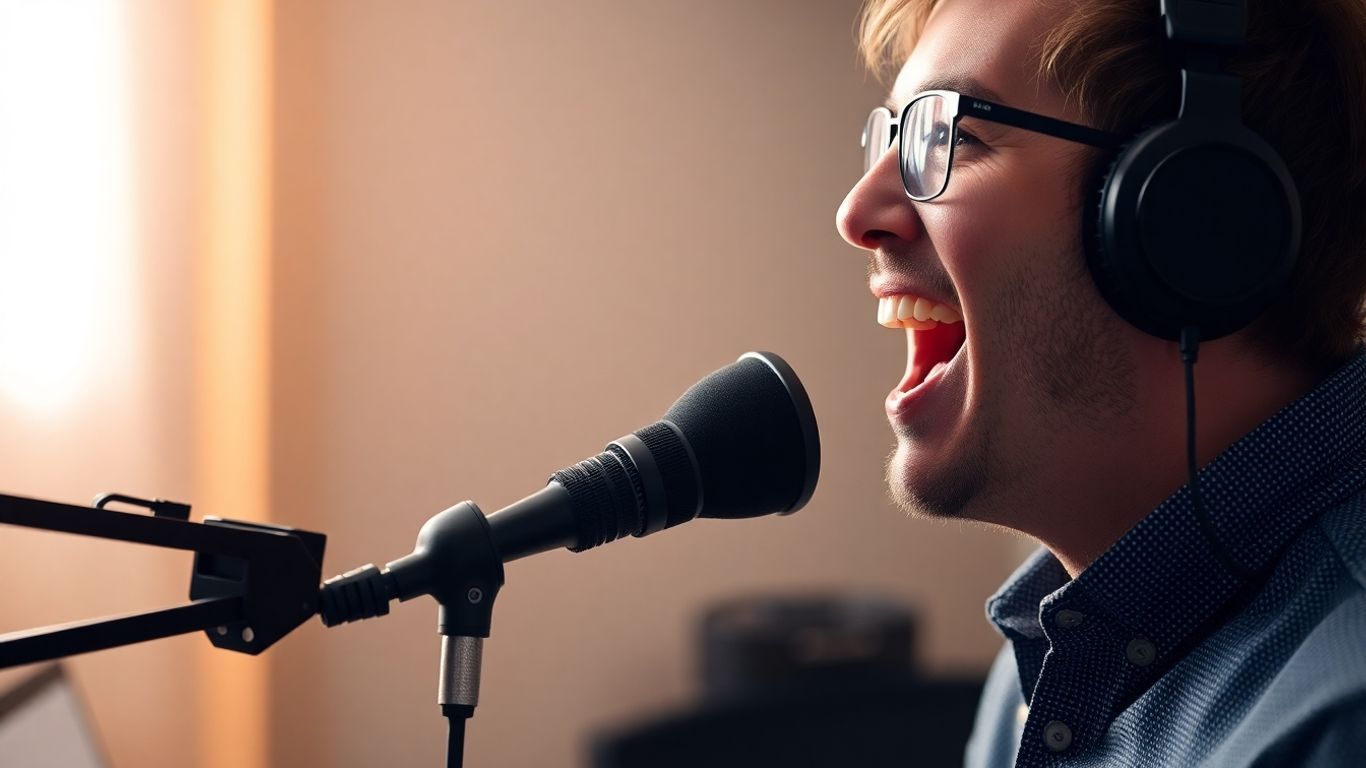
Alright, you’ve got your gear, you’ve got your brilliant idea, and you’ve probably rehearsed your intro in the shower about a dozen times. Now it’s time to actually hit that record button. Don’t sweat it; we’ve all been there, staring at the blinking red light with a mix of excitement and sheer terror. Let’s get this audio magic happening.
First things first, where are you going to record? You don’t need a fancy studio (unless you’ve got one lying around, in which case, hi!). A quiet room is your best bet. Think closets full of clothes, rooms with carpets and curtains – anything that eats up sound and stops it from bouncing around like a pinball. Hard, flat surfaces are the enemy of good audio. If your space sounds like a tin can, try throwing up some blankets or even recording under a duvet. Seriously, it works! Make sure your equipment is charged or plugged in, and your recording software is ready to roll. You want to minimize any interruptions, so tell your roommates, family, or even your pet goldfish that you’ll be unavailable for the next hour.
Before you even think about pressing record, you need to know why you’re making this podcast and what you’re going to talk about. Is it to share your passion for competitive dog grooming? To rant about the latest reality TV drama? Whatever it is, get clear on your purpose. This
Alright, you’ve done the hard work. You’ve planned, you’ve recorded, you’ve edited until your ears bled (okay, maybe not that bad). Now it’s time for the main event: getting your glorious podcast out there for the world to hear. This isn’t just hitting ‘publish’; it’s a launch, a grand entrance! Think of it like dropping a mixtape in high school – you want people to notice.
Before anyone can listen, your audio files need a place to live. That’s where a podcast host comes in. It’s not your website, and it’s definitely not your personal hard drive. A dedicated host stores your episodes and generates the RSS feed that all the podcast apps use to find your show. Think of it as the landlord for your audio apartment building. There are tons of options out there, each with different features and price points. Do a little digging to find one that fits your budget and needs. Some popular choices include Buzzsprout, Libsyn, and Podbean. Choosing the right host is like picking a good real estate agent – they can make a big difference.
Once your podcast is hosted and has its shiny RSS feed, it’s time to tell the big players about it. You need to submit your show to podcast directories. The big ones are Apple Podcasts, Spotify, Google Podcasts, Amazon Music, and a bunch more. Your podcast host usually has tools to help you with this, making it pretty straightforward. It’s a good idea to have at least one episode, maybe even a trailer, ready to go before you submit. This way, when your first full episode drops, people can find you right away. It’s like putting your name on the mailbox before the moving truck arrives.
Don’t just quietly drop your podcast into the void. Treat launch day like an event! Here’s a quick rundown of how to make a splash:
Remember, perfectionism is the enemy of progress. It’s better to launch a good-enough podcast than to never launch at all because you’re waiting for everything to be absolutely perfect. You’ll learn and improve as you go.
Don’t forget to check out resources that can help you summarize podcast content if you’re looking to quickly get the gist of other shows or even your own past episodes for show notes. Growth takes time, so keep promoting and engaging with your audience long after launch day!
So, you’ve launched your show and your parents finally stopped asking, “What’s a podcast again?” Now the real question: how do you turn those hilarious rants into cold hard cash? There are several ways for podcasters like you to build real income streams – without selling your soul or clogging your feed with awful ads. Let’s talk money.
Ready to start cashing in? You don’t need a massive following to attract sponsors. What matters most is engagement—an audience that genuinely cares about your takes and might check out a product you mention. Start by reaching out to brands or services you actually use. It’s way easier (and less awkward) to plug something you like. Craft a quirky little pitch with your audience stats and a story or two about your community.
If your cousin “runs the numbers,” here’s a ballpark for standard ad rates:
|
Ad Type |
Avg. CPM (Cost per 1,000) |
|---|---|
| Pre-roll (short) | $18 – $25 |
| Mid-roll (main) | $25 – $45 |
| Post-roll (end) | $10 – $20 |
Some platforms (look up Podcorn and Gumball) connect smaller shows with sponsors. Remember, being authentic with ads keeps your listeners’ trust and, as the future of podcast monetization shows, authenticity pays off!
Not getting tons of sponsor offers? Try affiliate marketing instead. Basically, you mention or recommend something, and if your listeners buy it using your link, you get a cut. Think Amazon’s affiliate program or new podcast-friendly networks like Buzzsprout’s marketplace.
Ways to make affiliate links work for you:
Most shows start here because it feels natural and doesn’t crowd your content with giant ad breaks.
If the ad game’s not your style, consider options that bring your listeners into your inner circle:
If you start feeling like your show’s just reading ads, take a breather. Find balance so you love what you’re doing – and your audience sticks around, too.
At the end of the day, there’s no one-size-fits-all approach—and it might take a few months of experimenting to see what works. The main point? Know your value, have a plan, and remind yourself that it’s totally possible to build a show you love and get paid for it.
Ready to take your podcast from ‘just a show’ to a full-on community? This is where things get interesting. Building a loyal group of listeners doesn’t happen by luck—it’s a little bit of strategy, a pinch of guts, and a lot of showing up.
You know that podcast you poured your soul into? Yeah, it needs to be everywhere. Think beyond just yelling into the void; you gotta meet listeners where they already hang out:
Remember: Consistency is your best magic trick. Regular uploads (same day, same time) help folks remember you exist (and don’t disappear). More on that from this helpful tip about growing an audience.
No one wants to talk into an empty room. The secret is to actually chat back:
The real fun starts when folks start sending you DMs or emails just to say, “Loved the show!” That’s the moment you know you’re not just broadcasting to the void.
Look, I know numbers sound boring, but they’re your best friend in podcasting. Don’t just hit publish and run!
Let’s break it down with a quick table (because even podcasters need a cheat sheet):
|
Metric |
What To Check |
How To Use It |
|---|---|---|
| Downloads/episode | Which topics get listens | Make more of those |
| Listener reviews | Common likes/dislikes | Tweak format accordingly |
| Listener growth rate | Weekly or monthly numbers | Test if promos are working |
Building your tribe is about showing up, making connections, and tweaking what works. It’s messy sometimes, but that’s what makes it fun!
Want to build a loyal group of listeners for your podcast? It’s all about making them feel like part of a community. Share funny stories and interesting thoughts that connect with people. Keep them coming back for more by being real and engaging. Ready to grow your podcast family? Visit our website to learn how!
So, there you have it. You’ve officially gone from ‘thinking about starting a podcast’ to ‘actually knowing how to start a podcast.’ Pretty wild, right? Now, before you go off and record your first episode, remember this: it’s okay if it’s not perfect. Seriously. Your first few episodes are basically practice runs. Think of them as the awkward teenage years of your podcast – they might be a little cringey, but they’re a necessary part of growing up. Just hit record, have some fun, and don’t forget to download that free checklist we mentioned. You’ve got this!
This is a tricky question because successful podcasts range from 10 minutes to over 3 hours! When you’re starting out, aim for a length that feels good for your topic and that you can manage. A good starting point for most beginners is between 15 minutes and an hour.
There’s no strict rule here. Some podcasters release daily, others weekly, and some even monthly. Consistency is key! Choose a schedule you can stick to so your audience knows when to expect new content from you.
You can actually start with just your smartphone and a decent internet connection! However, for better sound quality, consider investing in a USB microphone. It’s a great low-cost upgrade that makes a big difference.
You can start a podcast for free if you use equipment you already own, free editing software, and free hosting. If you want to invest a little, you could spend around $60 for a good microphone and potentially a bit more for hosting, which can be very affordable.
Absolutely! Many people start podcasts specifically to build an audience from scratch. You don’t need to be a natural speaker or have a following beforehand. Your podcast can be the very thing that helps you attract listeners.
Podcasters can earn money through various ways. This includes getting sponsors for ads, using affiliate marketing to recommend products, or even selling their own merchandise or services. The amount you earn depends on your audience size and how you approach monetization.