Picking the right podcast headphones can really change how your show sounds. It’s like going from a blurry picture to a sharp one. You want to hear every word clearly, catch those little sounds you need to fix, and feel comfortable even if you’re recording for a long time. We’ve checked out a bunch of options to help you find the best podcast headphones for your setup, whether you’re just starting out or looking to upgrade. Let’s get into it and find a pair that makes your podcast sound its best.
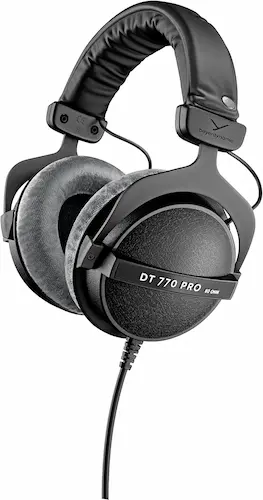
Alright, let’s talk about the Beyerdynamic DT 770 Pro 80 Ohm. If you’re diving into the podcasting world, you’ve probably heard these mentioned more times than you’ve heard a guest say “um.” And for good reason! These things are like the reliable old pickup truck of headphones – they just get the job done, and they do it well.
First off, comfort. You can wear these for hours without your ears staging a rebellion. The velour ear pads are seriously plush, making those marathon editing sessions feel a bit more like a spa day. Plus, they’re closed-back, which means they’re fantastic at keeping outside noise out and your precious podcast audio in. No more worrying about your mic picking up your neighbor’s dog barking or your own questionable humming.
When it comes to sound, they offer a really clear picture of what’s going on. They have this knack for making audio sound a bit smoother, which can be a lifesaver when you’re dealing with less-than-perfect recordings. They’re often cited as industry-standard for a reason.
Here’s a quick rundown:
Now, they do have a bit of a quirk. The 80 Ohm version, which is the sweet spot for podcasting, might need a little more juice from your audio interface than your laptop’s headphone jack can provide. So, if you’re not already using an interface, you might want to consider grabbing one to get the most out of these bad boys. It’s a small step, but it makes a big difference in how loud and clear everything sounds. You can find some great options for audio interfaces that pair well with these.
While they aren’t necessarily the absolute flattest for music mixing, their clarity and comfort make them a standout choice for anyone focused on vocal clarity and isolation in podcast production.
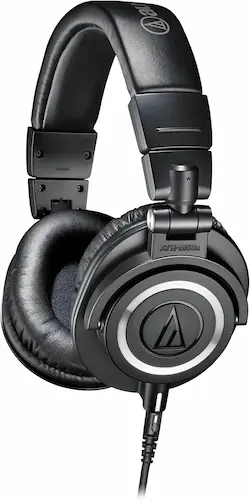
Alright, let’s talk about the Audio-Technica ATH-M50x. These bad boys are practically the unofficial uniform for anyone trying to sound like they know what they’re doing in a studio. Seriously, you see these everywhere, and for good reason. They strike a pretty sweet balance between sounding professional and not completely emptying your wallet.
What makes them so popular for podcasting? Well, they do a fantastic job of isolating sound, which means you won’t get that annoying echo from your own voice bleeding into the mic, especially if you’re recording in a less-than-perfect room. Plus, they offer a really detailed sound, so you can actually hear those little mouth clicks or background hums you might otherwise miss. They’re like a reality check for your audio.
Here’s a quick rundown of what you get:
Now, they can feel a bit snug at first, especially if you’ve got a bigger head, but most folks find they loosen up after a bit of wear. Some also say they lean a little heavy on the bass compared to super-flat headphones, but for most podcasting tasks, this actually helps make voices sound a bit fuller. If you’re looking for that industry-standard sound without breaking the bank, these are definitely worth checking out. You can often find them at a good price, making them a solid choice for many podcasters looking for reliable studio monitoring headphones.
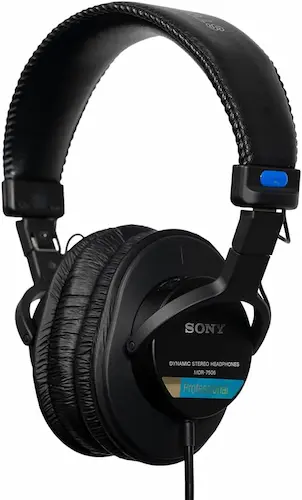
Ah, the Sony MDR-7506. These bad boys have been around since 1991, and honestly, they look like it. But don’t let their slightly retro, almost-crawled-out-of-a-1970s-dive-bar aesthetic fool you. They’re a studio staple for a reason. Think of them as the reliable, no-nonsense friend who always shows up.
These headphones are pretty lightweight and comfortable, which is a big win when you’re stuck in a marathon podcasting session. The sound isolation is decent, keeping the outside world from messing with your recording and vice-versa. Plus, that coiled cable is chunky and feels like it can take a beating. For the price, you’re getting a solid performer that’s been trusted by the pros for ages. They’re a great option if you’re just starting out and want something that won’t break the bank but still sounds good. You can often find them at a good price, making them a smart choice for any budding podcaster looking for a dependable set of cans. They’re a classic for a reason, and while they might not have all the fancy bells and whistles of newer models, they get the job done without fuss. If you’re curious about what makes a good microphone for your podcast, this guide can help you out.
These headphones are like the comfortable, old armchair of the audio world – familiar, reliable, and gets the job done without any fuss. They might not win any beauty contests, but they’ll keep you company through countless recording hours.
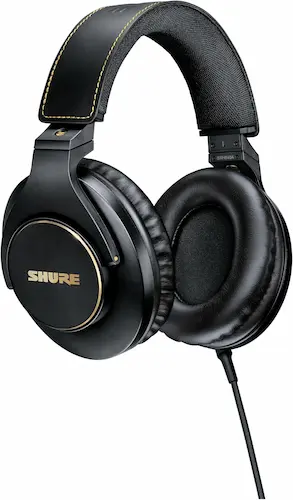
Alright, let’s talk about the Shure SRH840. Shure is a name that’s been around forever in the audio world, and these headphones are a big reason why. They’re not exactly the lightest cans on the block, tipping the scales at a hefty 448g, so maybe not your first pick for a marathon podcasting session if you’re prone to neck strain. But hey, they do have a classy design and a detachable cable, which is always a win in my book. Plus, they fold up, making them a bit more travel-friendly than some of the bulkier options out there.
When it comes to sound, these are pretty solid. They offer a natural, balanced sound with a decent amount of low-end, which is great for hearing all the nuances in your voice or your guest’s. They’re also pretty comfortable, which is a big deal when you’re stuck in the studio for hours. Some folks have mentioned they can be a bit heavy, and the treble might be a tad boosted for some ears, but overall, they’re a reliable workhorse.
These are often seen as studio headphones, and for good reason. They’re built tough and deliver a sound that’s great for monitoring and editing, making them a popular choice in broadcast booths.
Here’s a quick rundown:
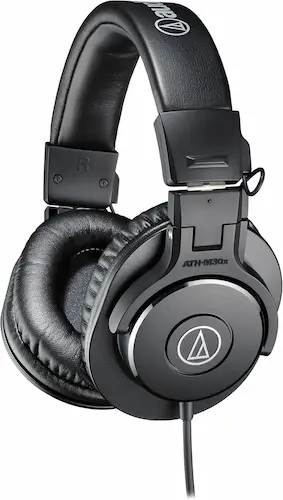
Alright, let’s talk about the Audio-Technica ATH-M30x. If you’re just dipping your toes into the podcasting pool and don’t want to spend a fortune, these might be your new best friends. They’re like the sensible, reliable car of the headphone world – not flashy, but they get the job done without any fuss.
These bad boys offer a pretty balanced sound, which is great because you want to hear your voice clearly without any weird booming or tinny bits messing things up. They’ve got those 40mm drivers, which are pretty standard but do a solid job. Plus, the closed-back design is a lifesaver when you’re trying to record and the neighbor’s dog decides to join your session. It helps keep outside noise from creeping into your precious audio.
One of the best things about the M30x is that they’re surprisingly comfortable for the price. The earcups are designed to fit over your ears, and while they might not have the plushness of some super-premium cans, they’re good enough for those longer recording marathons. They also fold up nicely, making them super portable if you’re always on the go for interviews or recording sessions. You can find a decent pair for under a hundred bucks, which is a steal when you consider the quality you’re getting. Honestly, for the money, you can’t really go wrong with these if you’re starting out. They’re a step up from basic earbuds and give you a much better sense of what your podcast actually sounds like. If you’re looking for a solid entry-level option, check out the Audio-Technica ATH-M30x for your podcasting needs.
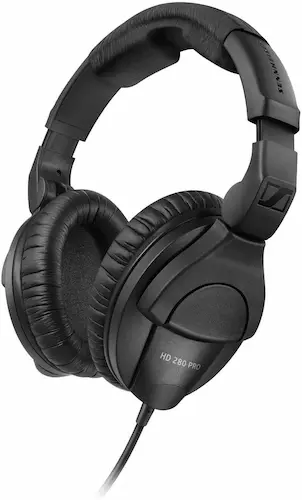
Alright, let’s talk about the Sennheiser HD 280. These cans have been around the block a few times, and for good reason. They’re like the reliable, no-nonsense friend of the audio world, often found chilling in studios. If you’re on a budget but still want to hear your podcast audio with some decent clarity, these might just be your jam.
They’ve got this closed-back design that’s pretty good at keeping outside noise from messing with your recording. Think of it as a little bubble of sound just for you. Plus, the earcups are padded, which is nice, though some folks find them a bit snug for marathon podcasting sessions. Seriously, if you’re recording in a less-than-ideal environment, these offer some serious isolation.
However, be warned: some users have reported that these aren’t exactly the most comfortable things to wear for extended periods.
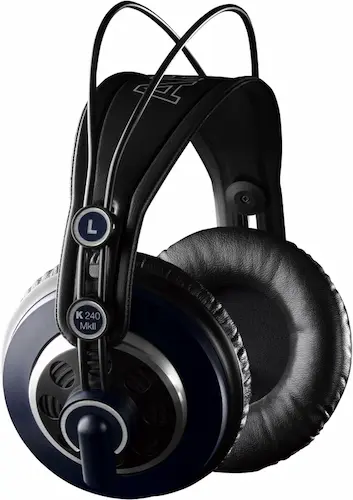
Alright, let’s talk about the AKG K 240 MK IIs. These bad boys are like the reliable, slightly quirky uncle of the headphone world. They’ve got this semi-open design, which is a bit of a wild card. It means you get a more natural sound, kind of like you’re in the room with your guest, but it also means your mic might pick up a bit of what you’re listening to if you’re not careful. Think of it as a trade-off: a more spacious soundstage for a tiny bit of potential bleed. It’s like choosing between a quiet library and a lively coffee shop for your recording – both have their perks!
These headphones are pretty comfortable, too. They’ve got this self-adjusting headband that’s supposed to just… work. No fiddling required, which is a win in my book. Plus, they’re lightweight, so you can wear them for those marathon editing sessions without feeling like your head is in a vice. They’re also known for being pretty good for the price, especially if you’re trying to keep costs down while still getting decent sound. You can often snag a pair without emptying your wallet, making them a solid choice for anyone starting out or looking for a secondary pair.
One of the neat features is the detachable cable. This is super handy for storage and if, you know, you accidentally run over the cable with your chair (we’ve all been there, right?). They’re not exactly built like a tank, with a good amount of plastic, but for the price, they hold up reasonably well. If you’re looking for a comfortable, decent-sounding option that won’t break the bank, the AKG K 240 MK IIs are definitely worth a look. They’re a great portable set of headphones for podcasters looking for a great set of traveling headphones. You can find them at a good price if you shop around, and they’re a popular choice for a reason.
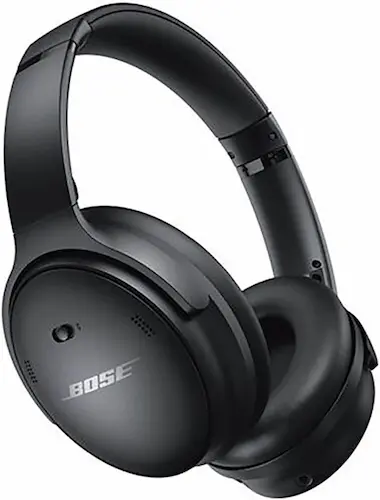
Alright, let’s talk about the Bose QuietComfort 45. If you’re someone who gets easily distracted by the world outside your podcasting cave, these might just be your new best friend. Bose is pretty much synonymous with noise cancellation, and these cans don’t disappoint. They create this little bubble of silence so you can actually hear yourself think, which, let’s be honest, is a win when you’re trying to nail that perfect take.
These headphones are like a cozy blanket for your ears, but for sound. They’re super lightweight, and the earcups are plush, making them a dream for those marathon recording or editing sessions. You know, the ones where you forget to stand up for three hours straight? Yeah, those. Plus, they’ve got this handy Aware Mode that lets you bring the outside world back in with a tap, which is pretty neat if someone’s trying to get your attention without you having to rip the headphones off.
Here’s a quick rundown:
While they’re fantastic for blocking out the world, remember that the noise cancellation might not be ideal if you need to hear your surroundings for some reason. Also, the cable isn’t detachable, which is a bit of a bummer if you’re used to swapping cables out. But honestly, for pure listening comfort and peace, these are hard to beat. If you’re looking for a way to make your recording environment more controlled, checking out some podcast recording software could be a good first step like Audacity.
The Bose QuietComfort 45 offers a premium experience for podcasters who prioritize a distraction-free environment and exceptional comfort. While they lean towards the pricier side, the active noise cancellation and plush design make them a worthy investment for long, focused sessions.
Alright, let’s talk about the Soundcore Space One. If you’re trying to record your podcast in a place that sounds like a zoo, these might just be your new best friend. They boast some pretty serious noise cancellation tech, claiming to block out a whopping 98% of the outside world. Imagine trying to get your thoughts out while your neighbor is practicing the tuba – these are designed to make that a distant memory.
They’ve also got this Hi-Res Audio certification, which basically means they’re supposed to sound really good, with all the little audio details you need to hear for a clean podcast. Plus, you get a solid 40 hours of battery life with the noise cancelling turned on. That’s enough juice to get through a marathon recording session, or maybe just a really, really long commute.
You know, sometimes you just need to shut out the world and focus on your audio. These headphones aim to do just that, letting you create your own little bubble of sound.
If you’re looking for headphones that can help you concentrate and deliver clear audio, these are definitely worth a look. They’re a solid option if you’re trying to make your podcast sound professional without breaking the bank. You can check out how to upload your finished podcast to Spotify here when you’re done recording.

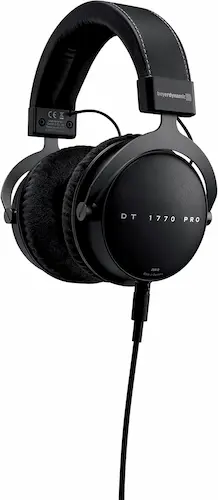
Alright, let’s talk about the Beyerdynamic DT 1770 Pro. If you’re looking to seriously up your podcasting game and your wallet isn’t weeping at the thought, these might just be your new best friends. These German-engineered cans are like the VIP section of the headphone world for podcasters. They’ve got these fancy 45mm Tesla neodymium drivers that really dig into the details of your audio, making sure you hear every little pop and hiss you might want to fix.
What’s cool is they come with two types of ear pads – velour and leatherette. So, you can swap them out to find what feels best for those marathon recording or editing sessions. Plus, the closed-back design is a champ at keeping outside noise from creeping into your mic and also stops your audio from leaking out, which is a big deal when you’re trying to get a clean recording.
These headphones are built like a tank, seriously. You get both straight and coiled cables, which is a nice touch, and the overall construction feels like it’s meant to last through years of heavy use. They’re not messing around with flimsy plastic here.
Now, a heads-up: these bad boys have a 250 Ohm impedance. This means you’ll probably need a decent headphone amplifier to really get the most out of them. They’re also a bit on the heavier side, so if you’re sensitive to weight, keep that in mind. But for the clarity and isolation they offer, many find it’s a trade-off worth making. If you see your podcasting as a long-term investment and want top-tier audio monitoring, the DT 1770 Pro is definitely worth a look.
Looking for top-notch sound? The Beyerdynamic DT 1770 Pro headphones offer amazing audio quality for creators and music lovers alike. Experience crystal-clear sound and deep bass that will make your favorite tracks come alive. Ready to upgrade your listening experience? Visit our website today to learn more about the Beyerdynamic DT 1770 Pro and find the perfect headphones for you!
Alright, so you’ve waded through the headphone jungle with us, and hopefully, you’ve found your audio soulmate. Remember, these aren’t just fancy ear warmers; they’re your secret weapon for sounding like a total pro, even if you’re recording from your laundry room. Picking the right pair means you can actually hear what you’re doing, which, shocker, makes your podcast way better. Now go forth, make some noise (the good kind!), and maybe, just maybe, your listeners will finally stop complaining about that weird hum. Happy podcasting!
Wearing headphones while you record is super important! It helps you hear exactly how your voice sounds right away, so you can catch any weird noises or problems with your mic. Plus, it stops your speakers from making noise that your mic might pick up, and makes sure you can hear your guests clearly without any echo.
For podcasting, you’ll want headphones that cover your ears (over-ear) and have a closed back. This helps block out outside sounds so you can focus. It’s also good if they make your audio sound true to how it is, without adding extra bass or treble. And, of course, they should be comfy for long recording sessions!
You don’t absolutely *need* special headphones, but using ones made for things like recording or mixing can make a big difference. They help you hear all the little details in your voice and your guests’ voices, which means your podcast will sound much more professional and clear.
Podcasters wear headphones so they can listen to themselves and their guests in real-time. This lets them check the sound quality, make sure there’s no annoying background noise, and hear everything perfectly. It’s like having a quality check happening live as you record!
Noise-cancelling headphones can be great for listening in noisy places, but they might not be the best choice for *recording* a podcast. Sometimes, the noise-cancelling tech can mess with how you hear your own voice or your guests. It’s usually better to use headphones that just block noise by covering your ears well.
To keep your headphones in good shape, store them carefully, maybe on a stand or in a case. Clean the earcups gently with a soft cloth to remove sweat and oils. If the ear pads get worn out, replacing them can make them feel new again and improve the sound. Also, try not to bend the cables too sharply.