
So, you’re getting ready to host a podcast and need to bring on some guests. It can feel a little daunting, right? You want to make sure you ask good podcast guest questions and that the conversation flows well, leaving your audience wanting more. Don’t worry, it’s totally doable. Think of it like having a good chat with a friend, but with a bit of planning. We’ve put together some straightforward tips to help you feel more confident and make your interviews shine.
Alright, let’s talk about getting ready to interview someone for your podcast. Think of it like preparing for a first date, but instead of awkward silences about your favorite pizza toppings, you’re aiming for fascinating insights. The more you know about your guest, the more you can steer the conversation to interesting places. It’s not about memorizing their Wikipedia page, but understanding what makes them tick. Did they write a book? Read it! Do they have a blog? Skim it! What are they tweeting about lately? A quick scroll can give you a goldmine of conversation starters. This isn’t about having a rigid script; it’s about having a mental map so you can wander off the path and still find your way back. It also helps you avoid those cringe-worthy moments where you ask them about something they clearly want to forget. A little homework goes a long way in making your guest feel like you actually care about what they have to say, and that, my friends, is podcast gold.

Forget those yes/no questions that make your guest sound like a malfunctioning robot. We want stories, people! Think of your questions like a treasure map, not a rigid itinerary. Instead of asking, “Do you like podcasting?” (which will get you a thrilling “Yep!”), try something like, “Tell me about the top three things that make you excited to hit record each week.” This little tweak opens the floodgates for actual conversation.
It’s all about getting your guest to elaborate. You’re not just ticking boxes; you’re trying to uncover those juicy bits that make your episode shine. Think about the narrative you want to build. What story are you trying to tell? Your questions should be the breadcrumbs leading your listener down that path.
Here’s a quick cheat sheet to get you started:
Remember, the goal is to make your guest feel comfortable sharing. If you ask questions that prompt them to recall specific moments or feelings, you’re golden. It’s like asking someone to describe their favorite meal instead of just asking if they like food. You want the details, the passion, the whole delicious shebang! So, get those open-ended questions ready and prepare for some seriously good chat. You can find a whole list of great questions to get you started on podcast interview questions.
Alright, let’s talk about actually listening during your podcast interview. It sounds obvious, right? But you’d be surprised how many hosts are just waiting for their turn to speak, mentally ticking off their question list. Your guest is a goldmine of information, and you need to be digging. When they say something interesting, don’t just nod and move on to question number three. Pounce on it! Ask them to elaborate, to tell you more. This is how you turn a dry Q&A into a real conversation.
Think of it like this:
Seriously, your listeners want to hear the juicy bits, the unexpected tangents. If you’re not actively listening, you’ll miss them. It’s like going to a buffet and only eating the breadsticks. You’re missing out on all the good stuff!
Remember, you’re not just there to get information; you’re there to create an engaging experience. Being a good listener is key to making your guest feel heard and making your audience feel like they’re part of a genuine chat. Check out this guide for more on conducting effective interviews.
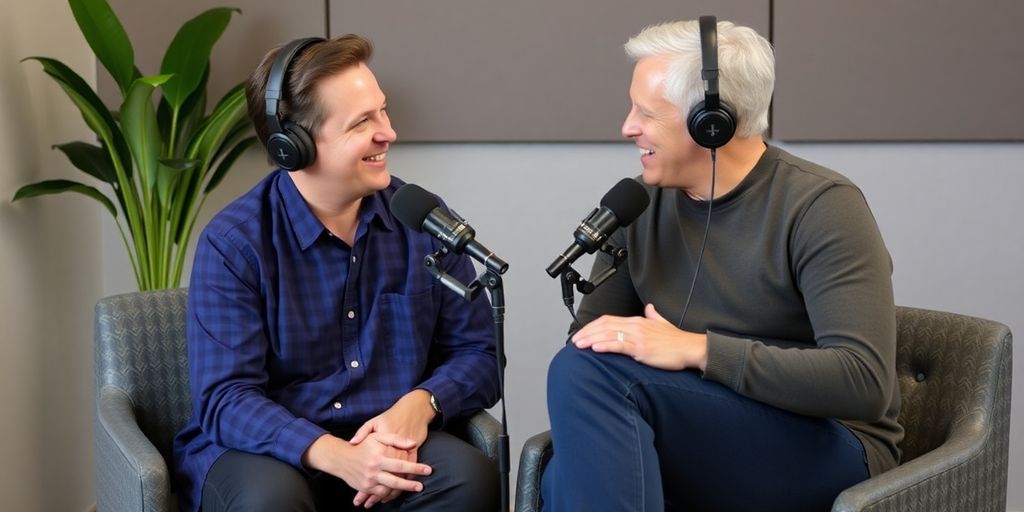
Look, nobody likes waiting around, right? Especially not when you’re supposed to be the one asking the questions. Showing up late for your podcast guest is like showing up to a fancy dinner party in sweatpants – it just screams, ‘I don’t really care.’ And trust me, your guest will notice. It makes them feel like an afterthought, or worse, like you’re not taking their time seriously.
So, what’s the fix? Simple: be early. Not just on time, but a few minutes before the scheduled start. This gives you a buffer to sort out any last-minute tech hiccups, silence those pesky phone notifications, or even just take a deep breath.
Think of it this way:
Being punctual is a sign of respect. It shows your guest that you’ve prepared and that you value their contribution to your show. It sets a positive tone right from the get-go, making the whole interview experience smoother and more enjoyable for everyone involved. Plus, it helps you stick to your podcast schedule.
Being on time isn’t just about showing up; it’s about showing up prepared and ready to give your guest your full attention. It’s a small gesture that makes a big difference in how your guest feels about the experience.

Alright, let’s talk about making sure your voice actually comes through the speakers and doesn’t sound like you’re gargling marbles. Nobody wants to strain their ears trying to figure out what you’re asking. Your goal is to be understood, not to win a mumbling contest. Think of it like this: if your guest can’t understand your questions, how can they possibly give you a great answer? It’s a bit like trying to assemble IKEA furniture with instructions written in ancient hieroglyphics – frustrating and ultimately, pointless.
Here’s the lowdown on keeping your audio crisp:
Remember, your voice is the vehicle for the conversation. If the vehicle’s sputtering and backfiring, the whole ride is going to be pretty rough. Keep it clear, keep it steady, and let the magic happen.

Look, nobody likes a phony. If you’re trying too hard to be someone you’re not, your guest will pick up on it faster than a dog picks up on dropped bacon. And your listeners? They’ll bail faster than a contestant on a bad reality show. Just be you. Seriously, it sounds simple, but it’s harder than it looks. Think about your favorite podcasters. They’re not trying to be someone else, right? They’ve got their own vibe, their own way of talking, and that’s why you tune in.
Your guest is a real person, not a robot programmed to give perfect answers. If you’re genuinely curious and a little bit vulnerable yourself, they’re more likely to open up and be real too. Don’t be afraid to share a quick, relatable anecdote or admit if you’re a bit out of your depth on a topic. It makes you human, and humans connect with humans.
Trying to mimic someone else’s interview style is like wearing someone else’s ill-fitting suit. It just doesn’t work. Find what feels natural to you, even if it’s a little messy at first. Your audience will appreciate the realness way more than a polished imitation.
Look, nobody wants to listen to a podcast that feels like a robot reading a script, right? You want it to feel like a real chat, a conversation. That means letting things breathe and go where they naturally lead. If your guest says something interesting, don’t just nod and immediately jump to your next pre-planned question. Lean into that moment! Ask a follow-up. Dig a little deeper. It’s like following a breadcrumb trail; sometimes the best bits are off the main path.
Think of it like this:
It’s totally fine to have a list of topics or questions, but don’t be afraid to deviate if the conversation is really sparkling. You can always circle back to your list later, or even just let it go if the current topic is more engaging. A little bit of spontaneity makes the whole thing feel way more human and enjoyable for everyone involved, including you.
If you find yourself constantly cutting your guest off to get to the next point, you’re probably not listening enough. Take a breath, let them finish their thought, and then decide if your next question is still the most important thing to talk about.
Nobody likes being talked over, right? It’s like trying to have a conversation at a party where someone keeps jumping in with their own stories before you’ve even finished yours. In podcasting, this is a big no-no. Your guest is the star of this episode, not you. Your job is to guide the conversation and let them shine.
Resist the urge to jump in with your own anecdotes or to finish their sentences. It might feel like you’re being helpful or showing you relate, but it usually just derails their train of thought and makes you look a bit… well, self-absorbed. If you absolutely must interject, maybe to clarify something, do it politely. A simple, “Sorry to interrupt, but could you clarify that one point?” works wonders. Remember, you’re the host, not the co-star. Let your guest have the mic, and trust that they’ll fill the silence.
Think of it this way:
It’s easy to get excited about what your guest is saying and want to jump in. But remember, the audience is there to hear from them. Give them the space to fully express their thoughts. This is how you get those truly memorable moments that make people want to share your podcast.
Alright, let’s talk about something that seems super simple but can totally derail an interview faster than a rogue squirrel on a power line: getting your guest’s name wrong. Seriously, it’s like showing up to a party and calling the host by the wrong name – awkward doesn’t even begin to cover it.
Before you even hit record, do yourself a massive favor and confirm the pronunciation. Don’t just guess. A quick, “Just to be sure, how do you pronounce your name again?” goes a long way. It shows you care, and honestly, it saves you from a potentially embarrassing moment later. Think of it as a pre-interview handshake for their name.
Once you’ve got it locked down, use it! Sprinkle their name naturally throughout the conversation. It makes the chat feel more personal and less like you’re just reading off a list. And when the episode drops, make sure their name is spelled correctly in the show notes and any episode art. It’s a small detail, but it’s a big deal for your guest. It shows you paid attention and respect their identity.
It’s easy to get caught up in the questions and the flow, but remembering the human element is key. A little effort upfront to get the name right makes your guest feel valued and sets a positive tone for the entire interview. Plus, it avoids that cringe-worthy moment where you butcher it live on air.
Alright, let’s talk about being respectful. This might sound like a no-brainer, but you’d be surprised how many people forget this little detail. Think of your guest as a VIP, even if they’re not exactly a household name (yet!). Your job is to make them feel comfortable and valued, not like they’re on trial.
Treat your guest like an equal, not like a student you’re lecturing. Nobody likes feeling talked down to, and it’s a surefire way to make your guest clam up. Remember, they’re sharing their time and insights with you, so a little bit of humility goes a long way.
Here are a few ways to show some serious respect:
Being respectful isn’t just about avoiding rudeness; it’s about creating an environment where your guest feels safe and encouraged to share their best stuff. It’s the foundation for a truly great conversation.
When we chat, let’s keep things friendly and positive. Think about how your words might make others feel. We want this to be a welcoming space for everyone.
Alright, you’ve armed yourself with the top tips, from prepping like a detective to actually listening (shocking, I know!). Now it’s your turn. Don’t overthink it too much. Remember, even the pros started somewhere, probably fumbling with their mic and asking questions that made zero sense. The goal is to have a good chat, learn something cool, and maybe, just maybe, get your listeners to stick around for more. So go forth, hit record, and try not to spill coffee on your keyboard. Your podcasting adventure awaits!
To prepare, you should look into what your guest does. Check out their website, find interesting facts about them, and learn what they offer the world. Listening to their podcast or watching their videos is also a great way to get to know them. Doing your homework shows you respect their time and are genuinely interested in what they have to say.
You should ask questions that can’t be answered with a simple ‘yes’ or ‘no.’ Instead of asking ‘Do you like your job?’, try ‘What are the top three things you enjoy most about your job?’ This encourages your guest to share more details and makes the conversation more interesting.
Being on time shows respect for your guest and their time. Aim to be a few minutes early so you can check your equipment and be ready. If you’re late, it can make your guest feel unimportant.
It’s important to listen carefully to what your guest is saying. This helps you find interesting points to ask more about, making the interview feel like a real conversation rather than just a question-and-answer session. Pay attention to their words and body language if you’re on video.
Try to be yourself and let your personality shine through. When you’re genuine, your guest will feel more comfortable being themselves, and your audience will connect with you more. Don’t try to be someone you’re not.
It’s crucial to pronounce your guest’s name correctly. Before the interview, double-check the pronunciation. Using their name during the conversation and spelling it right in your show notes shows you care and pay attention to detail.